Search
 Submit

 Hostinger OpenClawManaged OpenClaw hosting with messaging and built-in tools
Alternatives to Modelflare
Explore tools compared with Modelflare across categories. Find what fits your workflow.
Hostinger OpenClawManaged OpenClaw hosting with messaging and built-in tools Jenni AIResearch writing assistant with citations and PDF reading
 Lorka AIMulti-model AI chat and tools in one subscription
Modelflare alternatives, explored
207 alternatives from real comparisons with Modelflare.
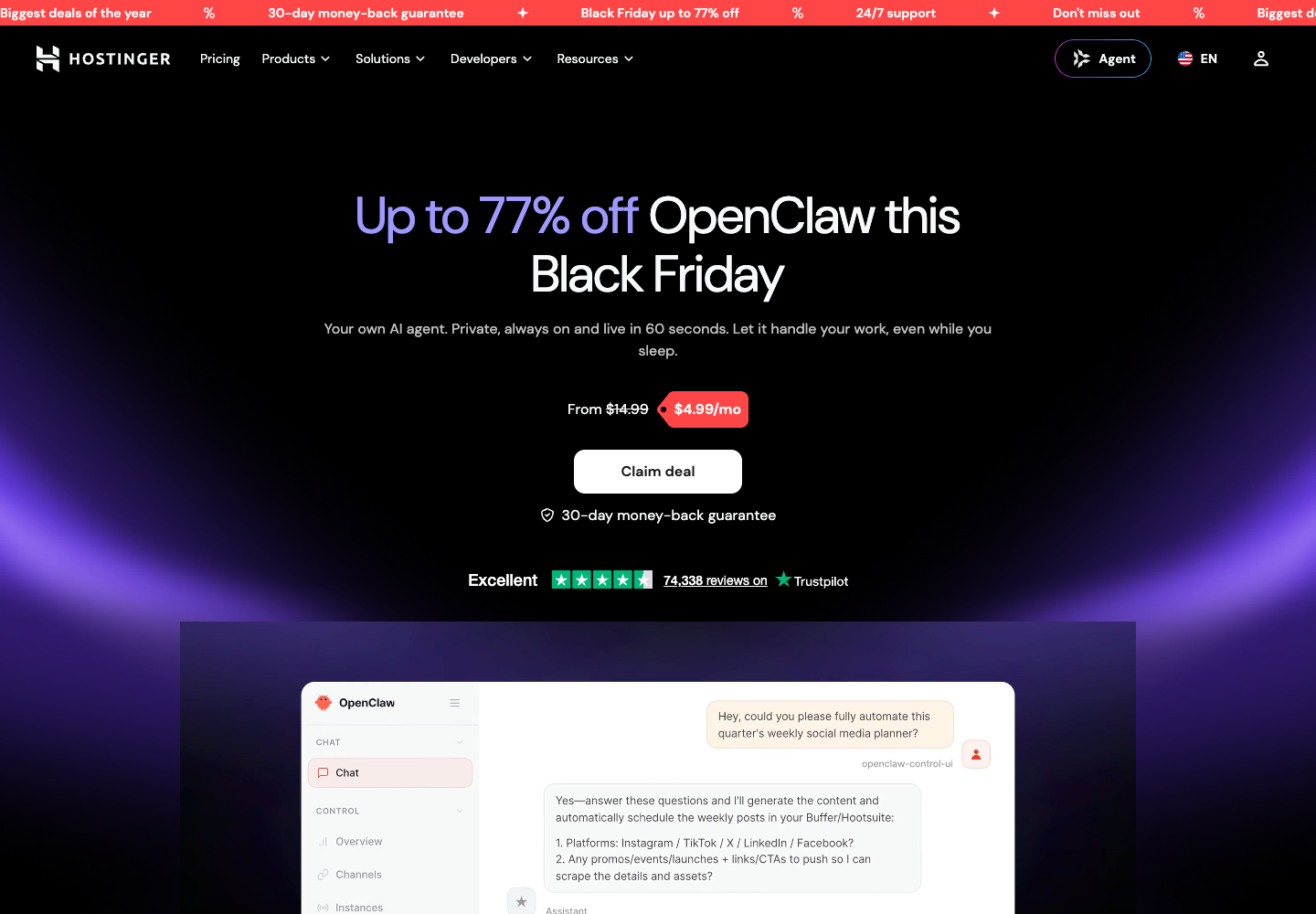
Hostinger OpenClaw is Hostinger’s managed hosting offering for deploying an OpenClaw AI agent. After choosing a hosting plan, users can launch the agent with the provider’s setup flow and connect it to Telegram or WhatsApp to send requests. Hostinger describes built-in AI models and web browsing, plus managed updates and backups for the hosted environment. The assistant can then be used for work such as organizing tasks, research or drafting follow-ups, depending on its configuration. The service supplies and maintains the hosting environment for OpenClaw; it is a Hostinger offering built around the open-source project.
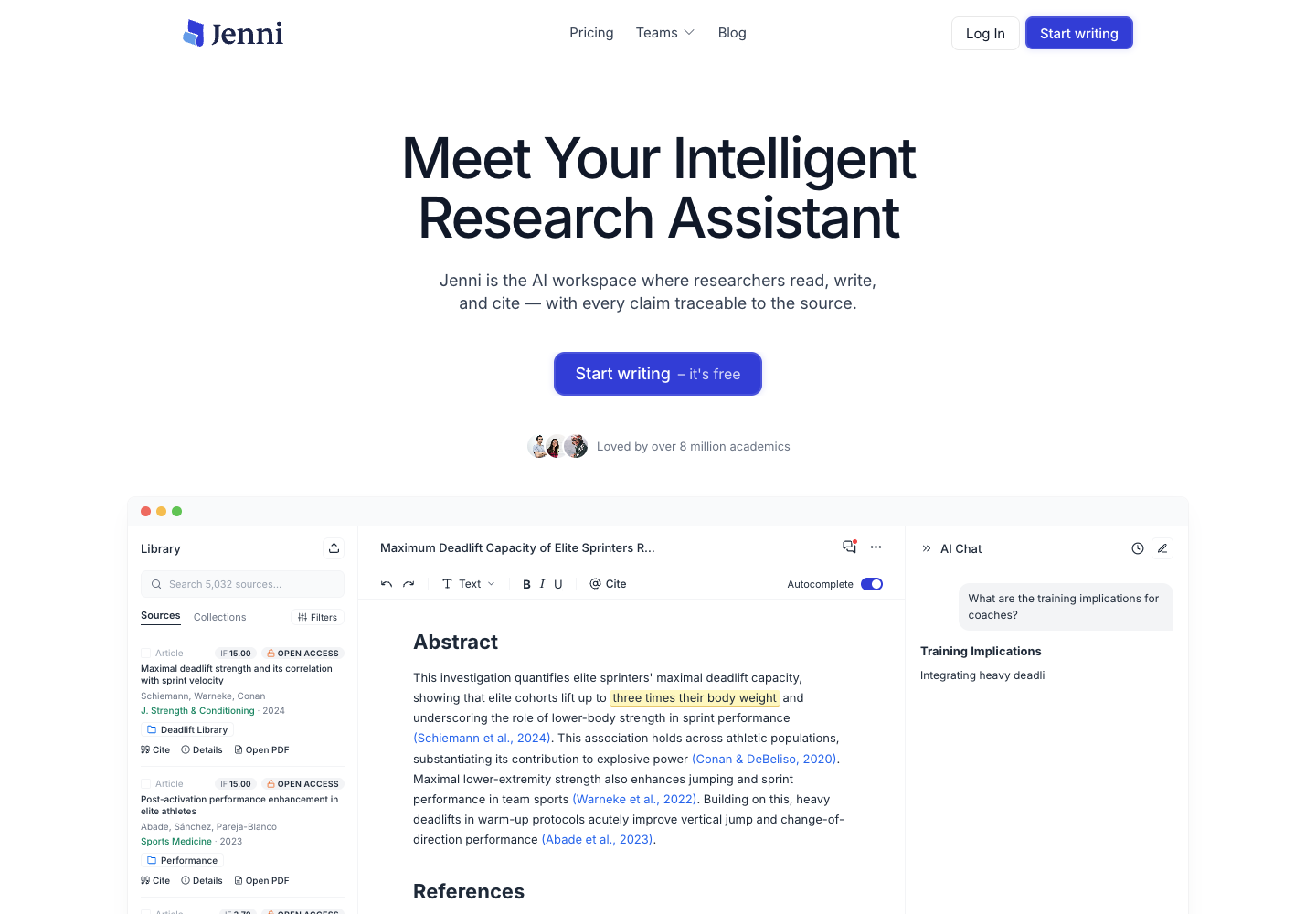
Jenni AI is an academic research writing workspace designed for researchers, students, and academics. It brings reading, drafting, editing, and referencing together in one place to support the research writing process. Users can upload and read PDFs alongside their documents, then use AI chat to ask questions or summarize an attached paper. As they compose, Jenni suggests text completions and provides editing tools. Users can also search for sources and add citations to their drafts. Together, these tools connect reading and research materials with drafting and revision in one workspace. Users should review generated text and verify citations before relying on them.
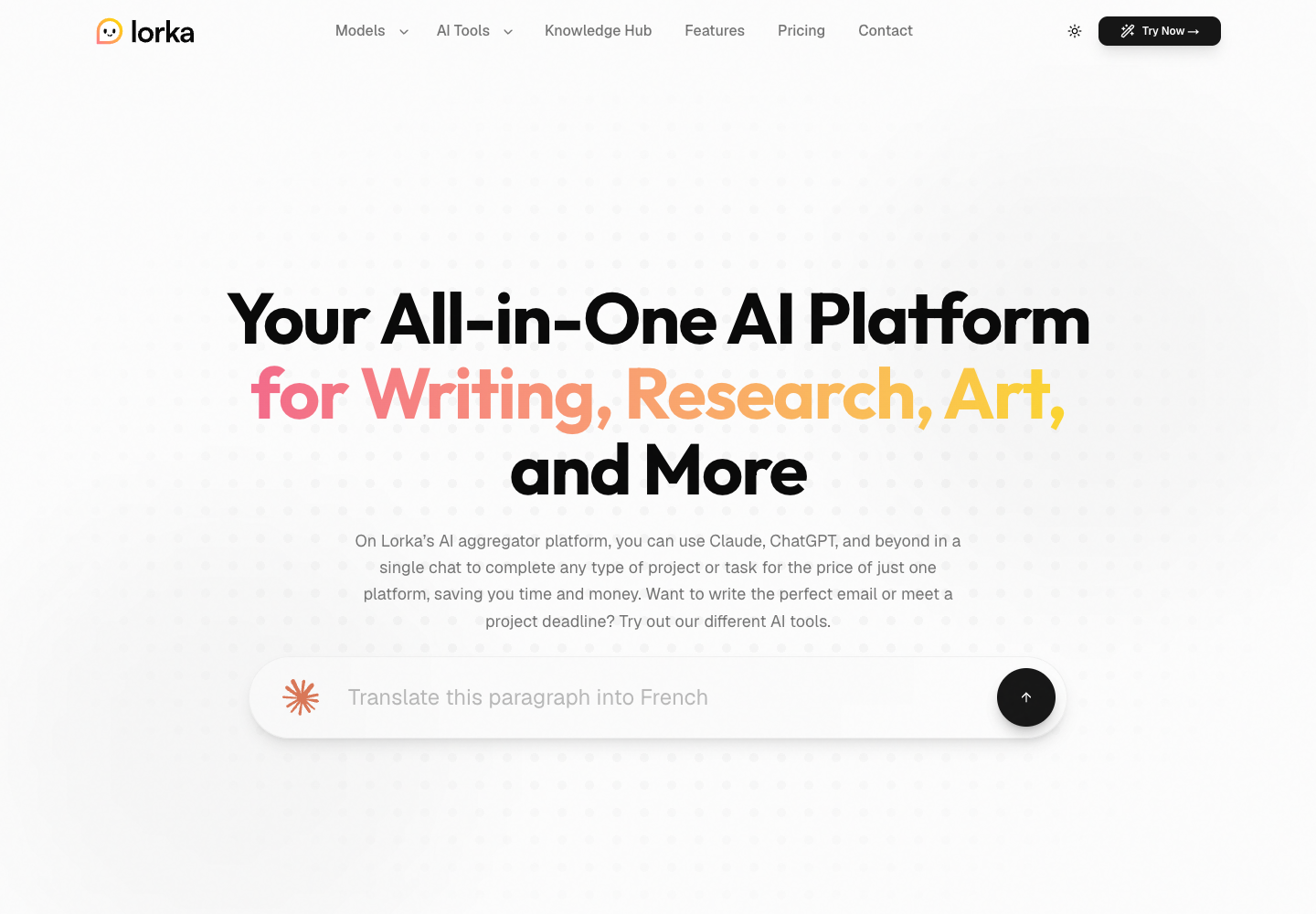
Lorka is a multi-model AI platform that brings models from providers including OpenAI, Anthropic and Google into its own chat workspace. Users select an available model, enter a prompt and can provide relevant files; they can then refine the request or switch models in the same conversation to compare responses. Lorka also offers tools for writing, research, translation and image generation. Its subscription provides model access through Lorka’s interface, where the same materials can be used across models during a workflow.
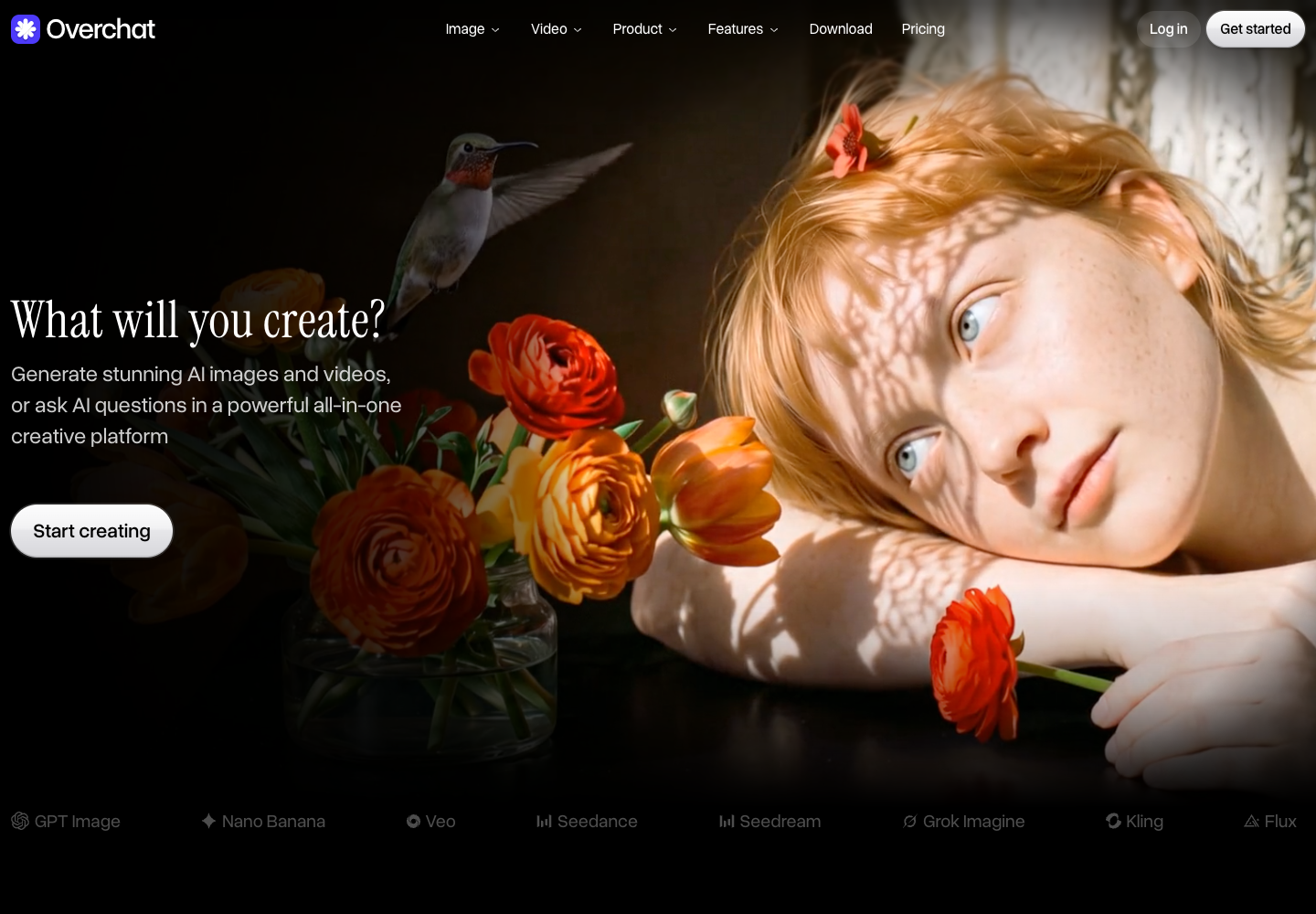
Overchat AI is an independent platform that brings chat, image and video models from multiple providers into one account. Users can select a chat model and ask questions, attach supported files or links, or provide a text prompt or photo to create and edit visual media. Its image and video tools support workflows such as generating an image, editing it and turning a photo into a video; ready-made prompts and tools provide starting points for common tasks. Model access and usage are managed through Overchat, and different generations consume different numbers of credits.

HakkoAI is an AI gaming companion designed for real-time voice chat while playing games. Players interact by speaking or sending chat messages, and on paid plans they can optionally enable screen recognition so the companion can read what is currently visible on the game screen. Based on voice prompts, text queries, and optional screen context, HakkoAI responds with real-time voice conversation, game guidance, and game information search results, while remembering interactions to maintain continuity. The service operates with clear plan boundaries between its free and paid tiers. The free tier provides limited text chat and up to 30 minutes of voice interaction per day, without access to screen vision. Screen recognition is only available on paid plans . Because guidance and information search rely on AI-generated responses, players should treat suggestions as companion assistance rather than guaranteed walkthroughs.
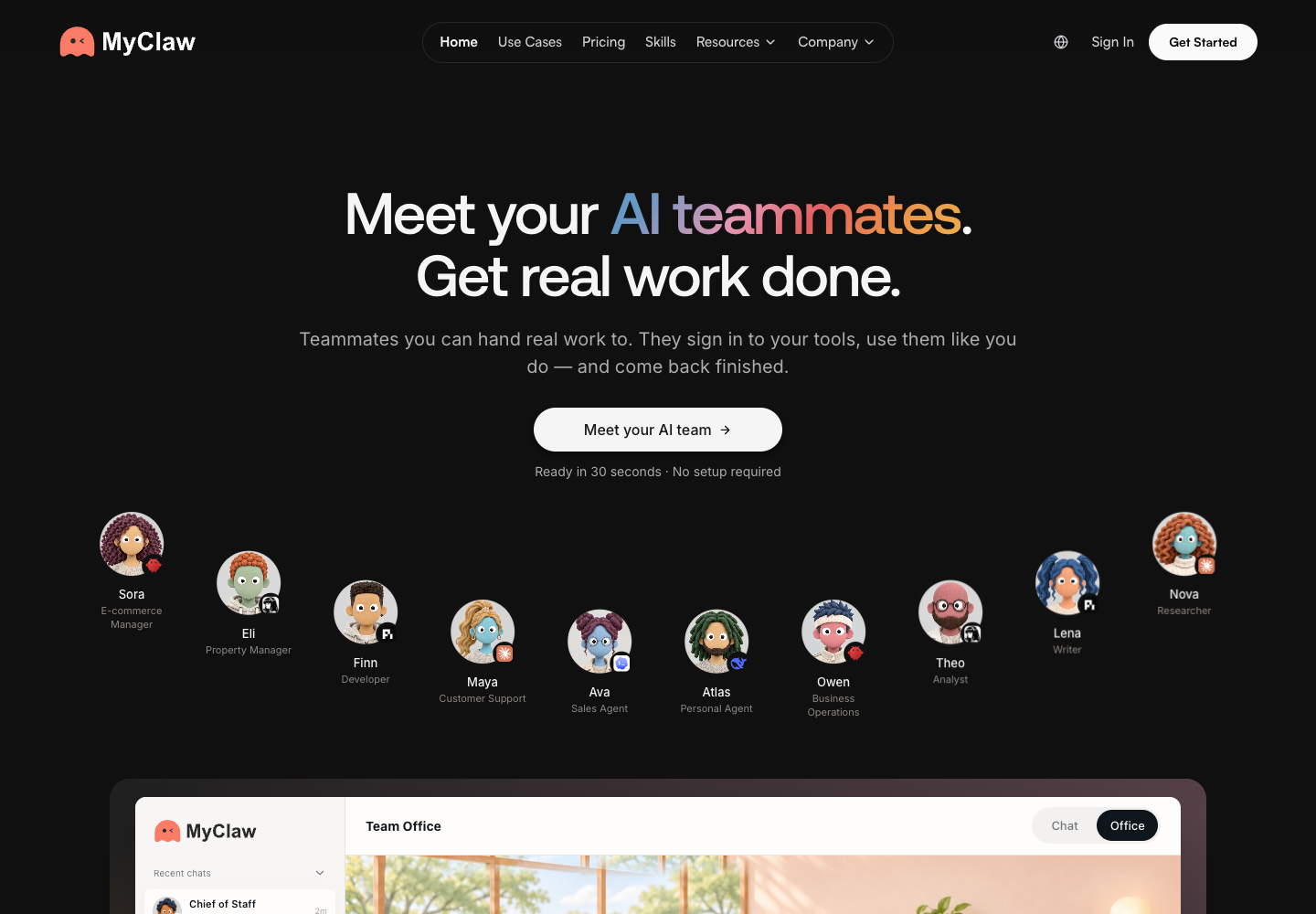
MyClaw is a platform for configuring AI teammates that run on cloud computers. Users choose a runtime such as OpenClaw, Hermes Agent, Pi, Claude Code or Codex, then give each agent a role, tools and skills suited to work such as research, writing or development. They can provide a goal and relevant files, start a one-off or recurring task, and return to review progress and output after disconnecting. Agents are accessible through the web and, when connected, supported channels such as Telegram, WhatsApp and Slack. MyClaw therefore combines configurable agent setups with cloud execution and familiar communication channels.
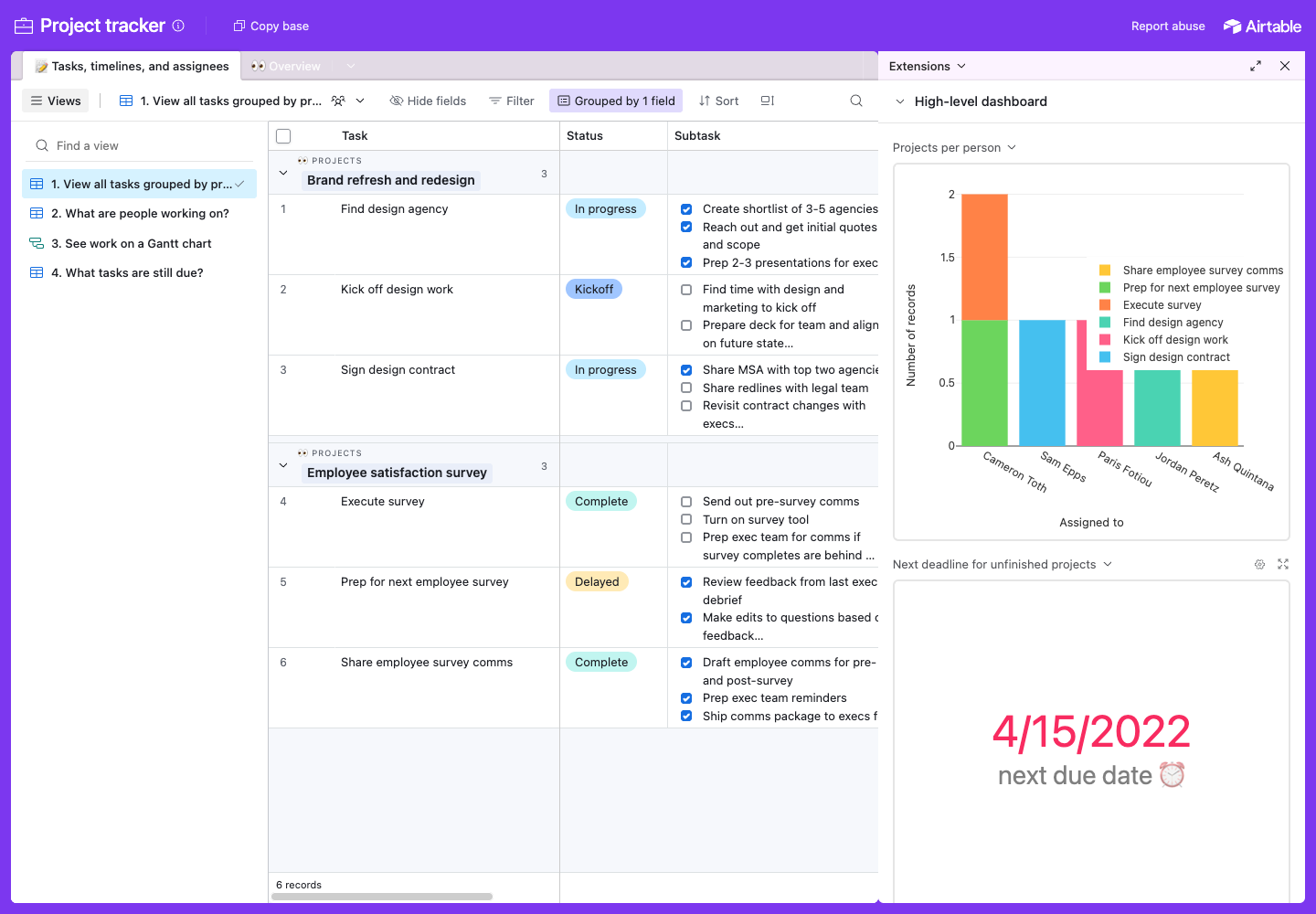
Airtable is a collaborative database and no-code app builder. A team can keep campaigns in one table and creative assets in another, link each asset to its campaign, and build a working interface around those records. Automations can connect or update records when a trigger fires. AI tools such as Omni let collaborators describe the app they need or apply a task, such as summarizing feedback, to many records.
NoteGPT turns source material into notes, study aids, and presentations. Upload a seminar recording to get a timestamped transcript, or give it a PDF to extract the main arguments from the text. A student can use those results to make flashcards, while a lecturer can use an outline to draft teaching slides. NoteGPT also offers web research with linked sources when a question goes beyond the supplied material.
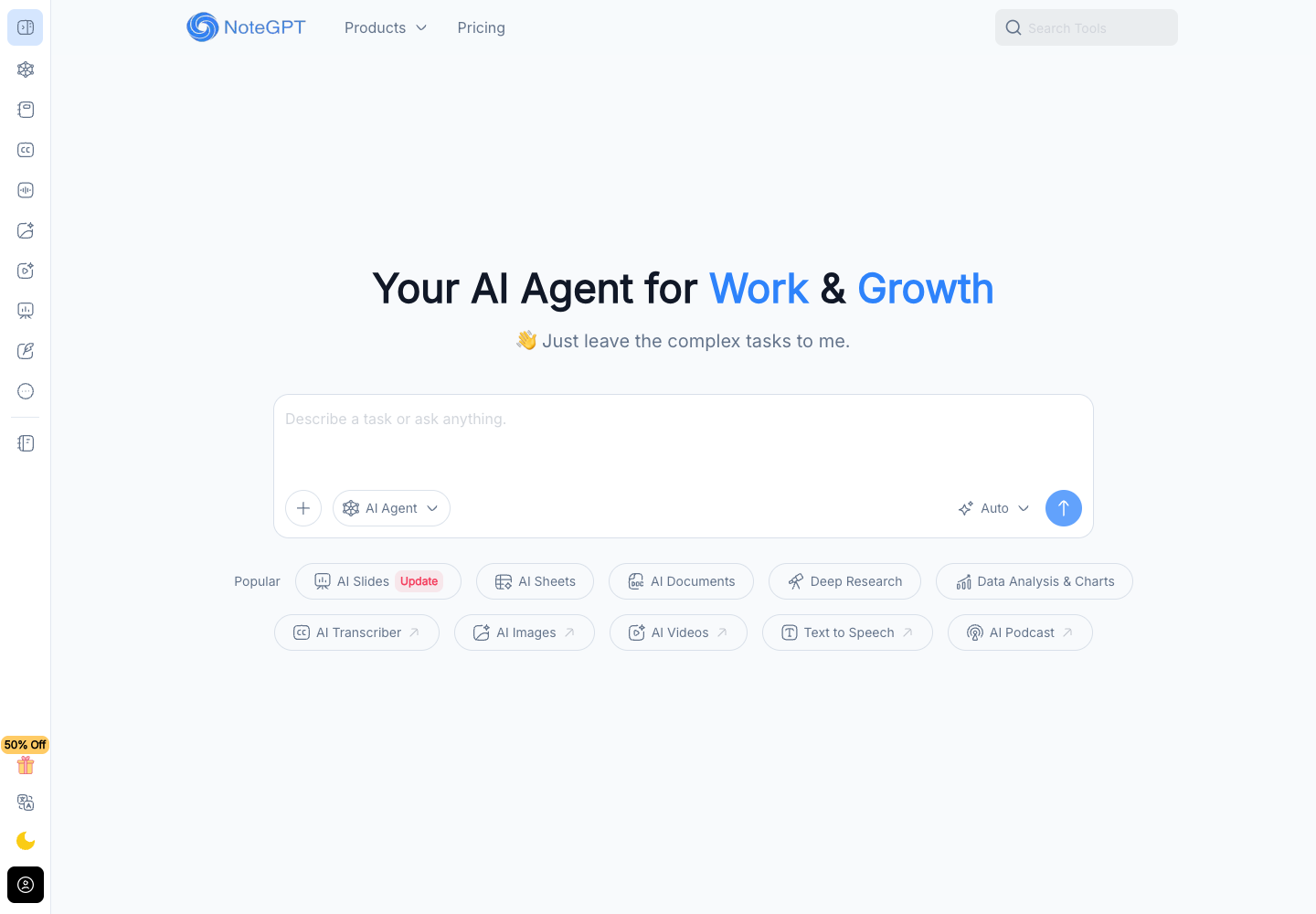

RevisionDojo is a study platform for International Baccalaureate students, with resources for Diploma Programme and Middle Years Programme subjects. Students can choose a topic, attempt an exam-style question, and compare their reasoning with a worked solution. Coursework tools cover a different part of the IB workload. A student can upload an Internal Assessment or Extended Essay draft and use the rubric feedback to plan revisions before submitting it to a teacher.
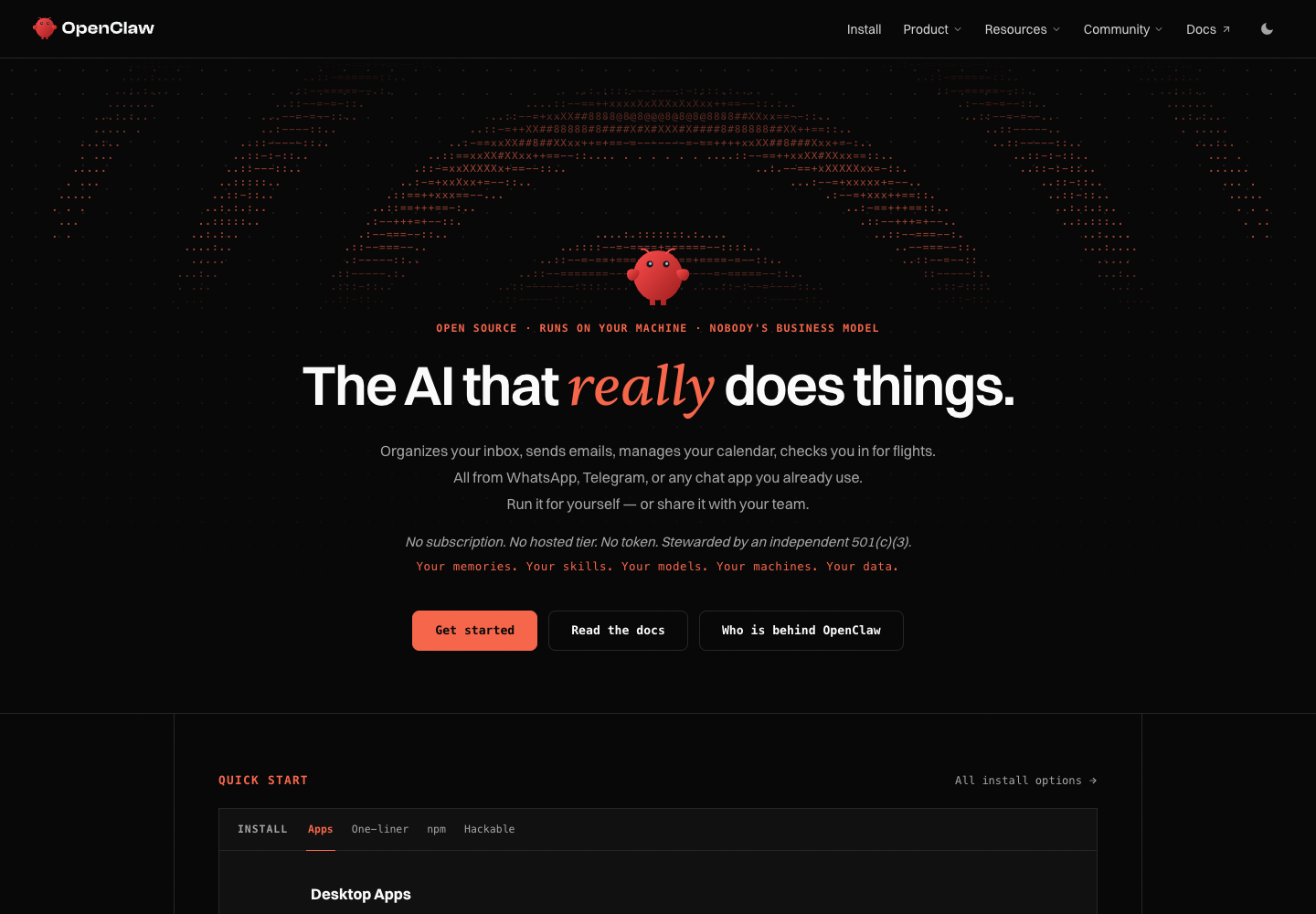
OpenClaw is an open-source personal AI assistant you run on your own computer or server. Its gateway connects a model provider to messaging apps such as WhatsApp, Telegram, and Discord. From your phone, you can ask it to summarize a file it has permission to read or send you a scheduled reminder. The gateway manages conversations locally. A connected cloud model still processes the requests you send it.

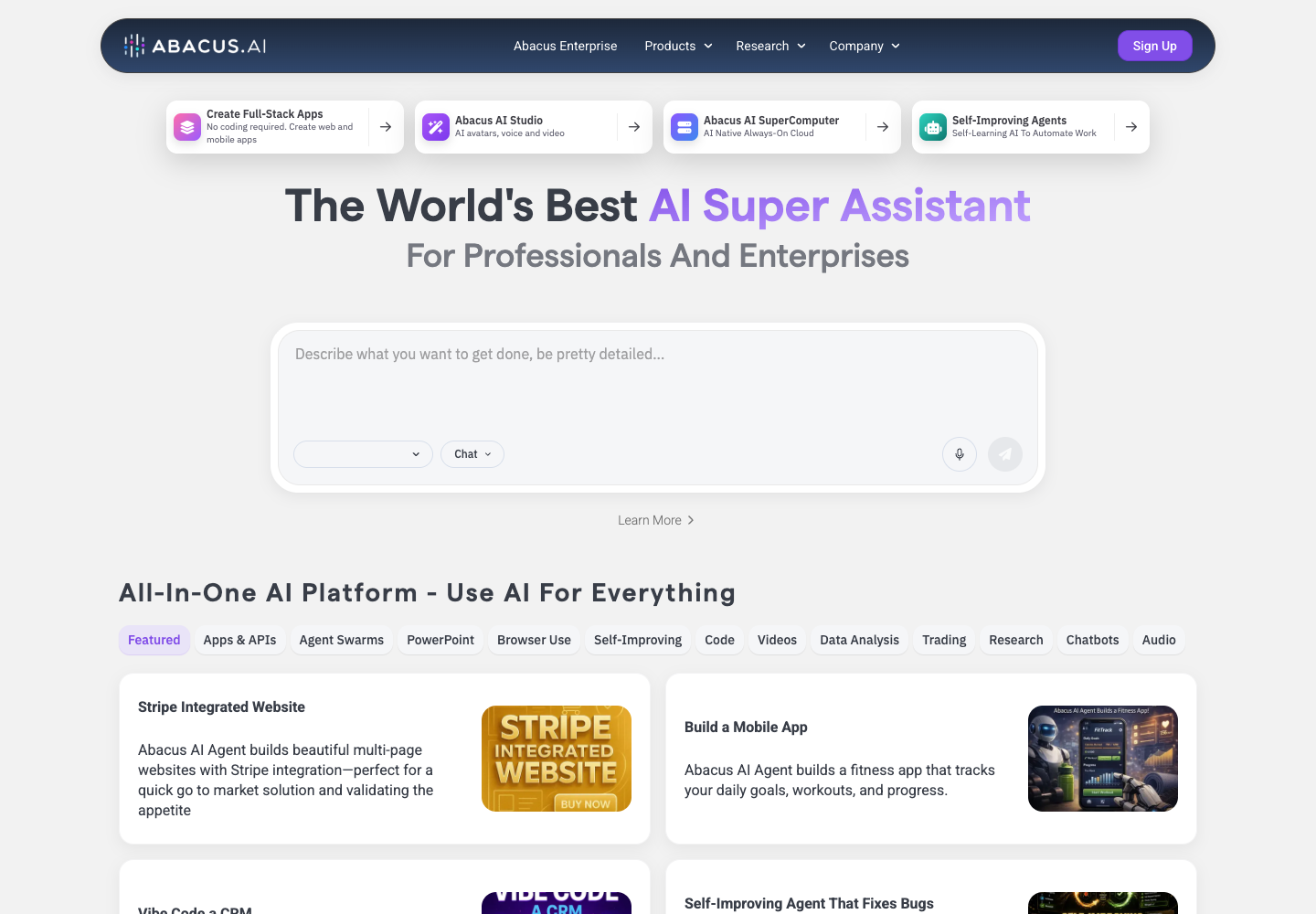
Abacus.AI brings several AI products together. ChatLLM provides a conversational workspace, Abacus AI Agent handles tasks such as building an application or analyzing a spreadsheet, and AI Studio produces media such as voice and video. For example, an operations team can ask the agent to build a tool that reads supplier invoices and returns the vendor, amount due, and line items as structured data.

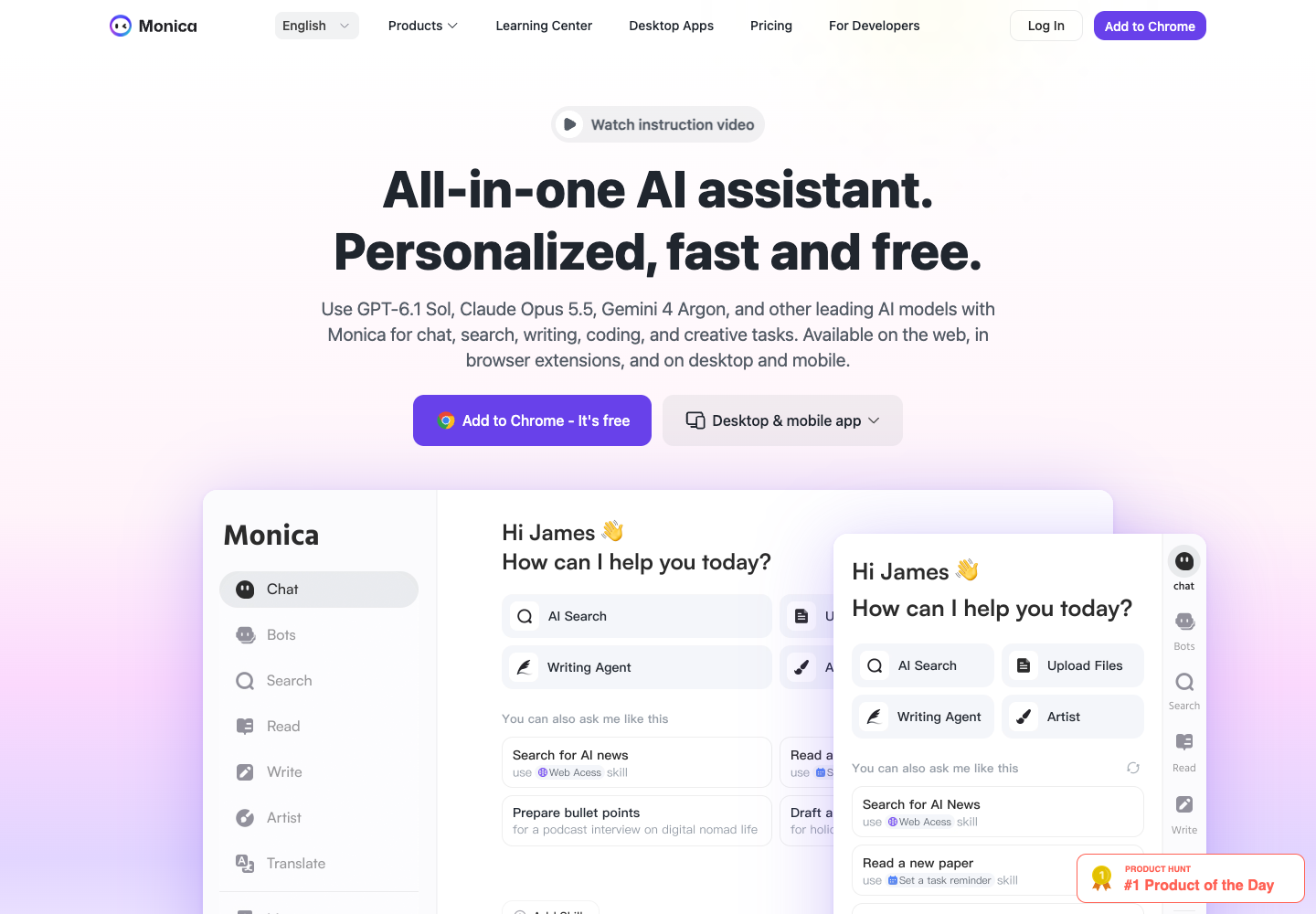
Monica is an all-in-one AI assistant available via browser extension, web, desktop, and mobile apps for macOS, Windows, iOS, and Android. It integrates multiple third-party AI models in one workspace for chat, writing, research, translation, coding, and image or video generation. Users can open an AI sidebar on any web page to summarize articles or YouTube videos, rewrite text, or chat with and translate PDFs. Monica uses a freemium model with daily basic limits on the free tier and paid annual plans for higher quotas and agent tools.

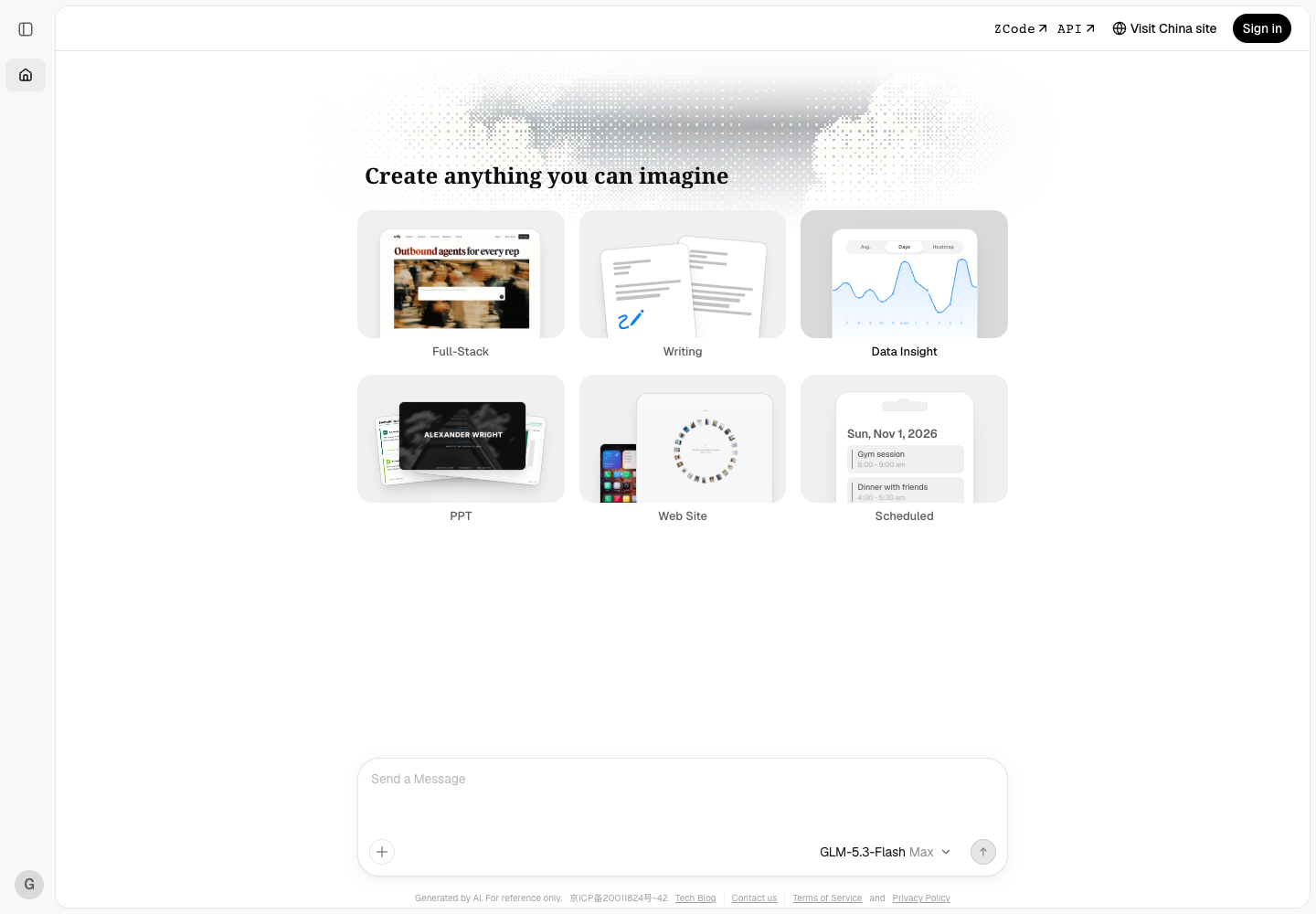
Z.ai is a browser-based workspace for chatting with GLM models and building things through conversation. Give the slide tool a source document to turn into a presentation, or describe a website and request changes over several turns as the design takes shape. The chat interface also offers writing and data visualization tools. Developers who want to call a GLM model from their own software use the separate API.

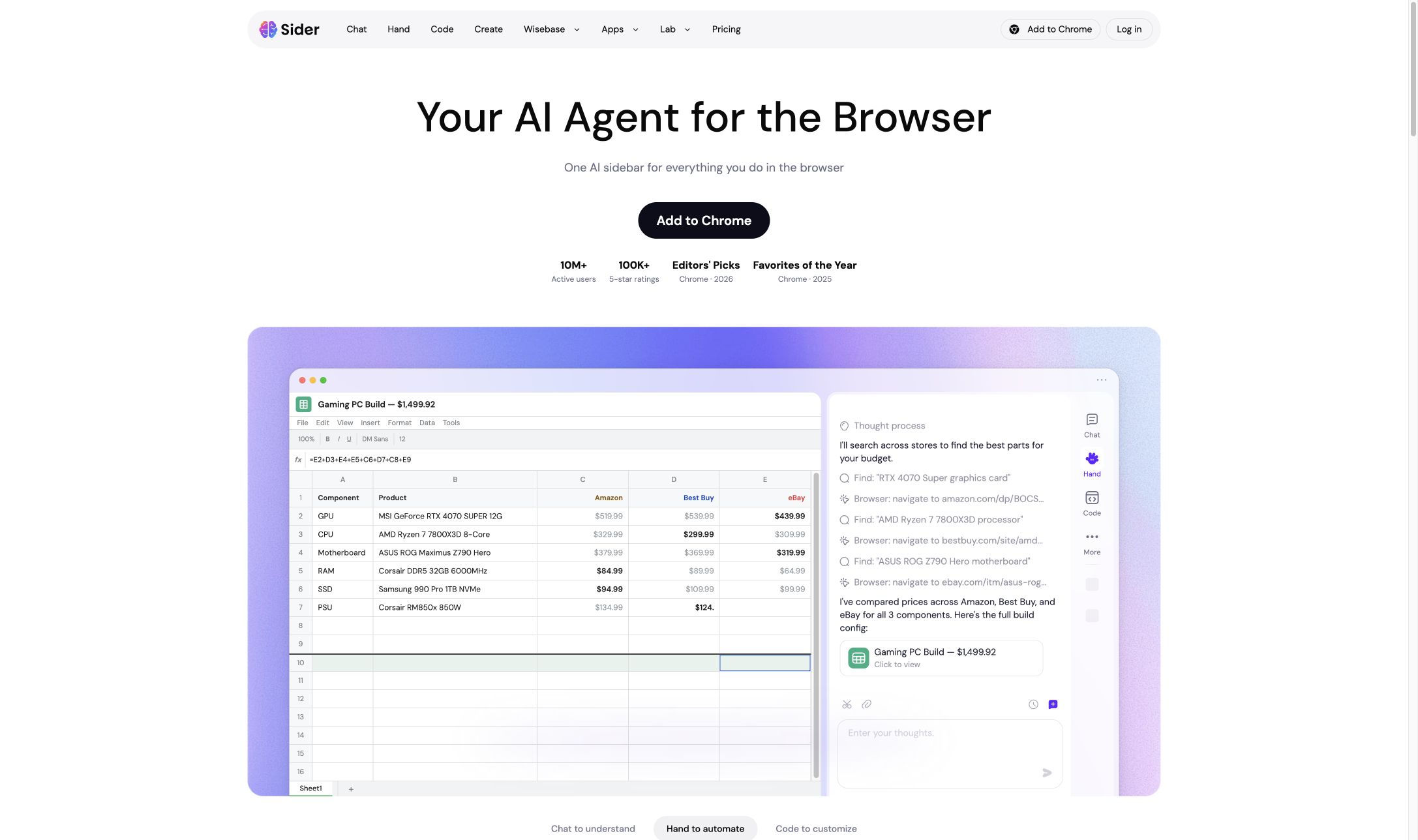
Sider is an AI sidebar and browser agent for working with online content. Users can chat with supported models, summarize articles, translate webpages or PDFs, and use the AI Writer for writing tasks. Its Hand agent can research across sites and automate browser tasks, while Code can customize how a webpage looks or works.

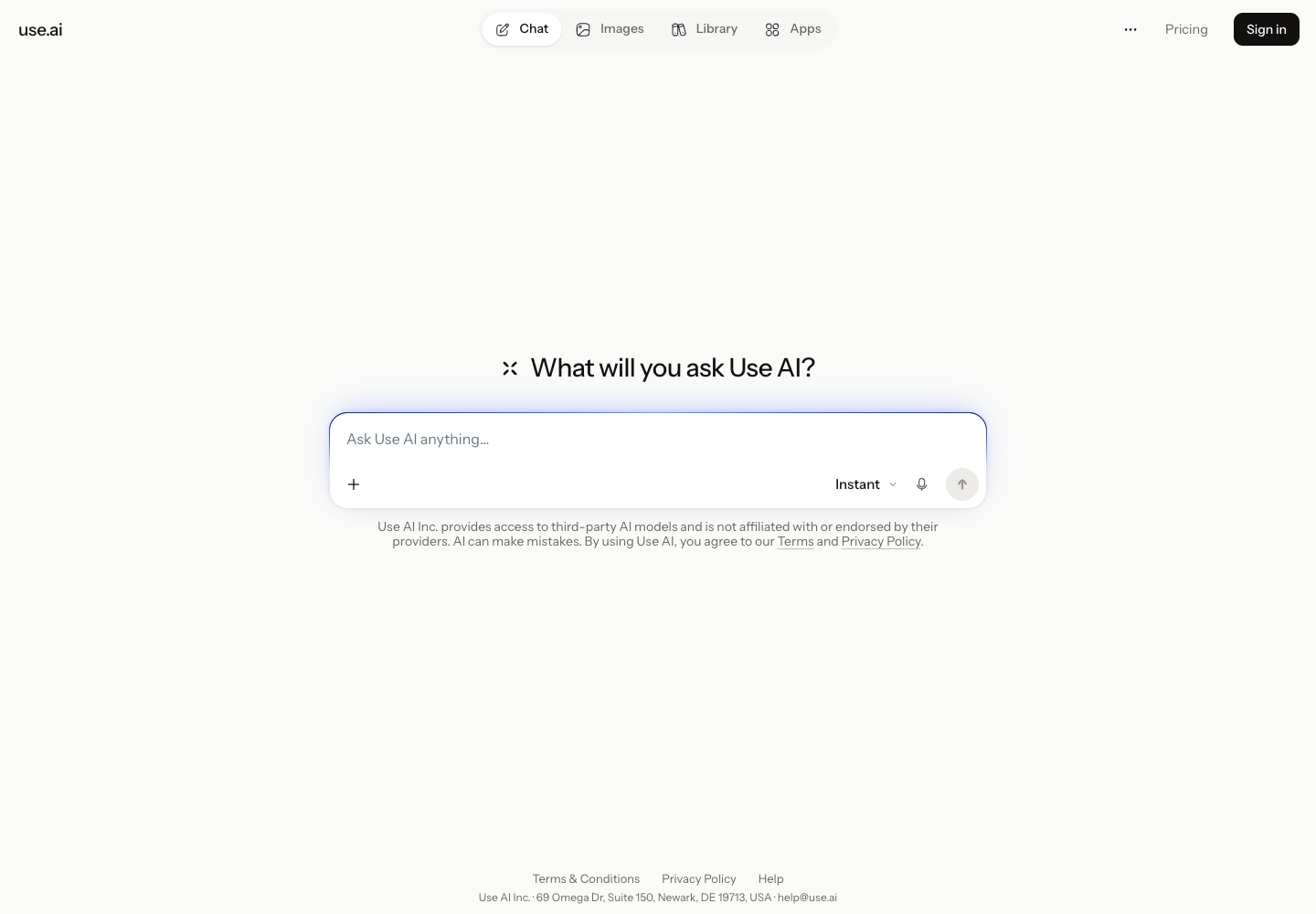
Use AI brings third-party models into a single chat workspace. Start with a quick question in Instant, or use web search when the answer depends on current information. On a supported paid plan, you can switch models mid-conversation, group source material in a project, and turn the work into a document, slide deck, or spreadsheet. Access to premium models, research, and media tools follows the limits of your Use AI plan.
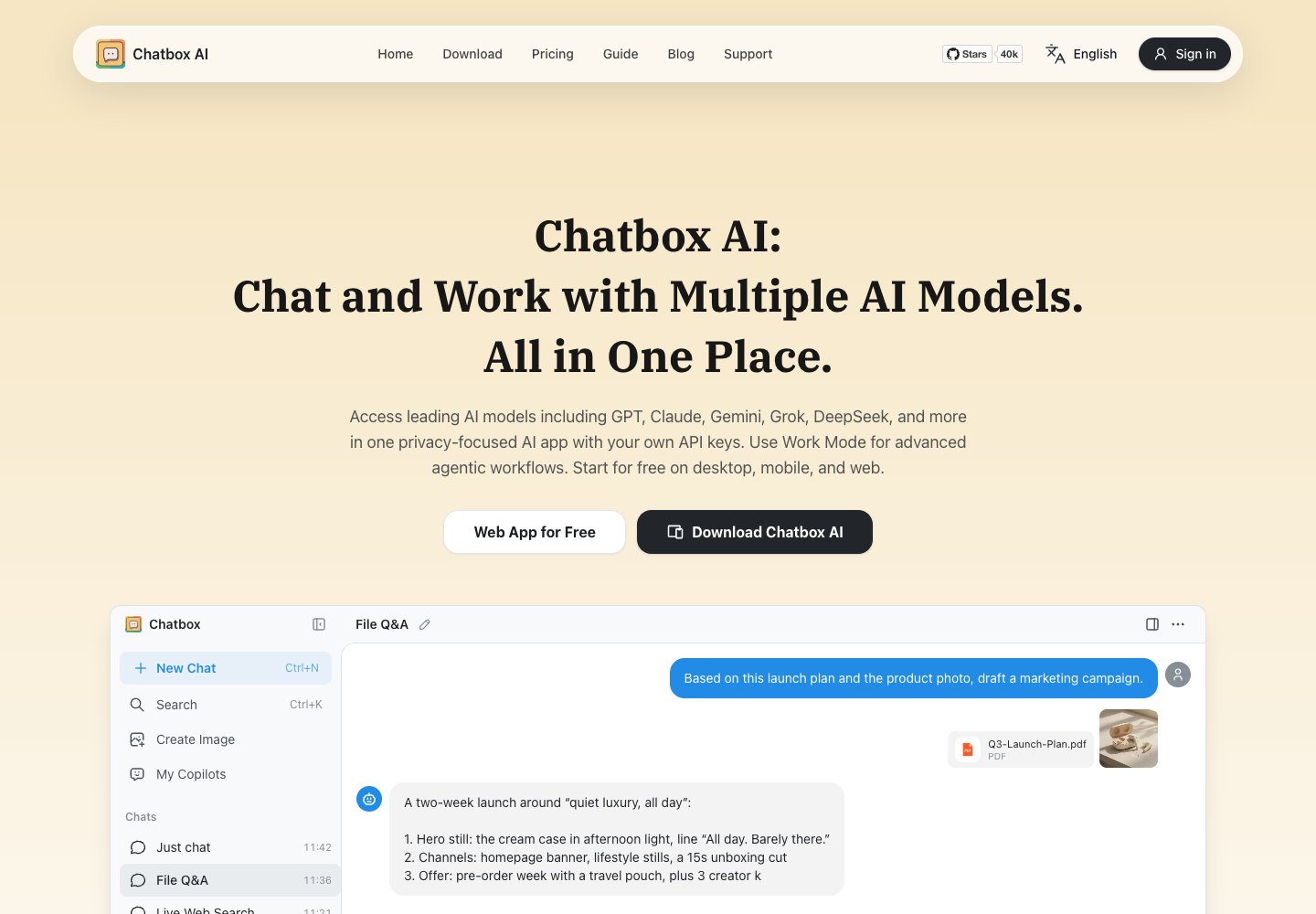
Chatbox AI is a cross-platform AI client available on web, desktop, and mobile that connects users to multiple language models through either a hosted subscription or their own API keys. Inside one workspace, users can chat with files and images, run real-time web searches, generate code with live previews, create images, and render Markdown, LaTeX, and Mermaid diagrams. Its desktop app also includes a locally stored Knowledge Base, while Work Mode enables multi-step agentic tasks.

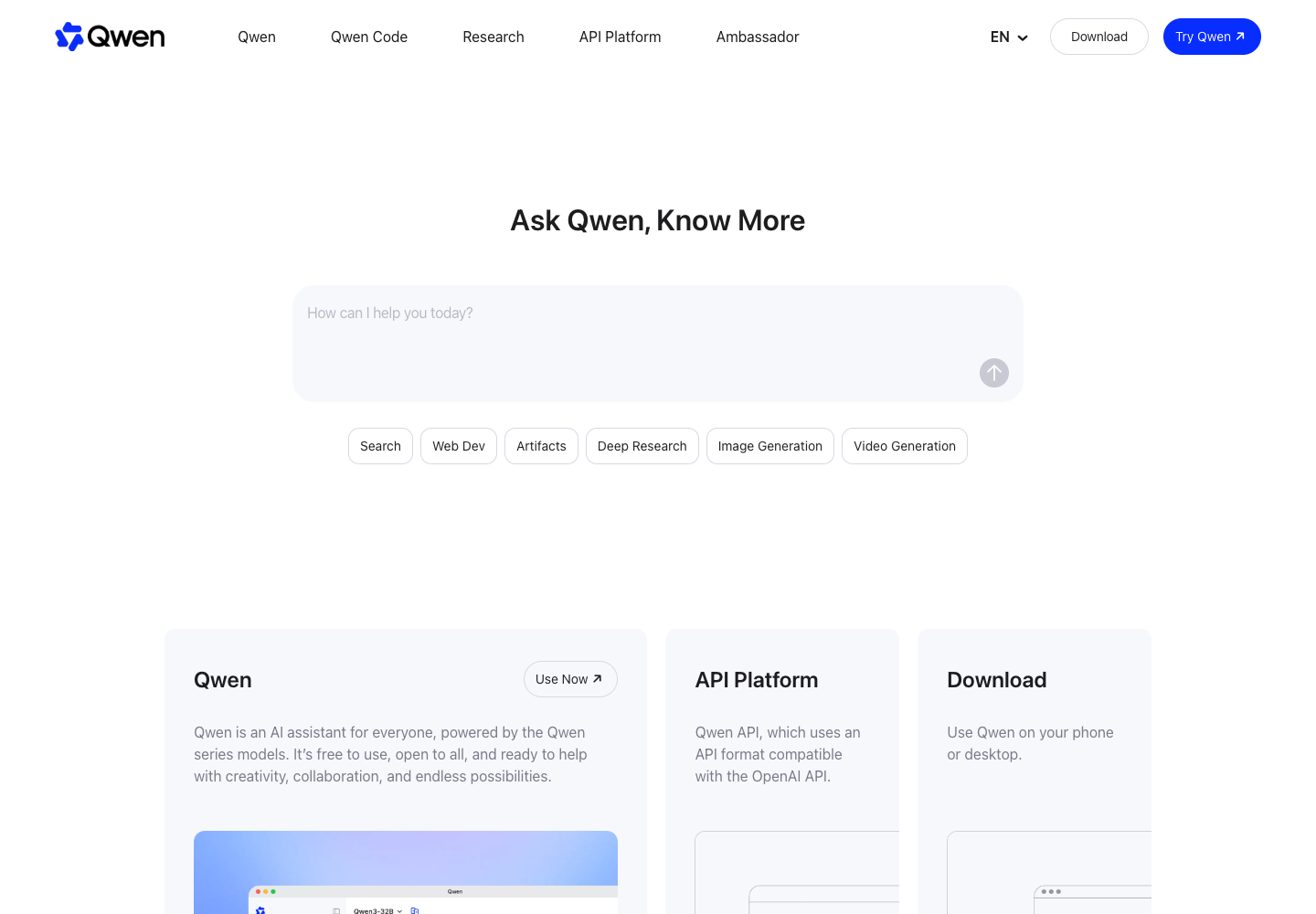
Qwen is a free-to-use AI assistant powered by Alibaba Cloud's Qwen models, available on the web and as downloadable apps for iOS, Android, macOS, and Windows. Users ask questions, run filtered web searches, conduct multi-step Deep Research reports, build webpages via Web Dev, and generate images or videos. It also processes text, images, audio, and video inputs for multimodal analysis. Alongside the consumer assistant, Alibaba Cloud offers an OpenAI-compatible API platform for developers.

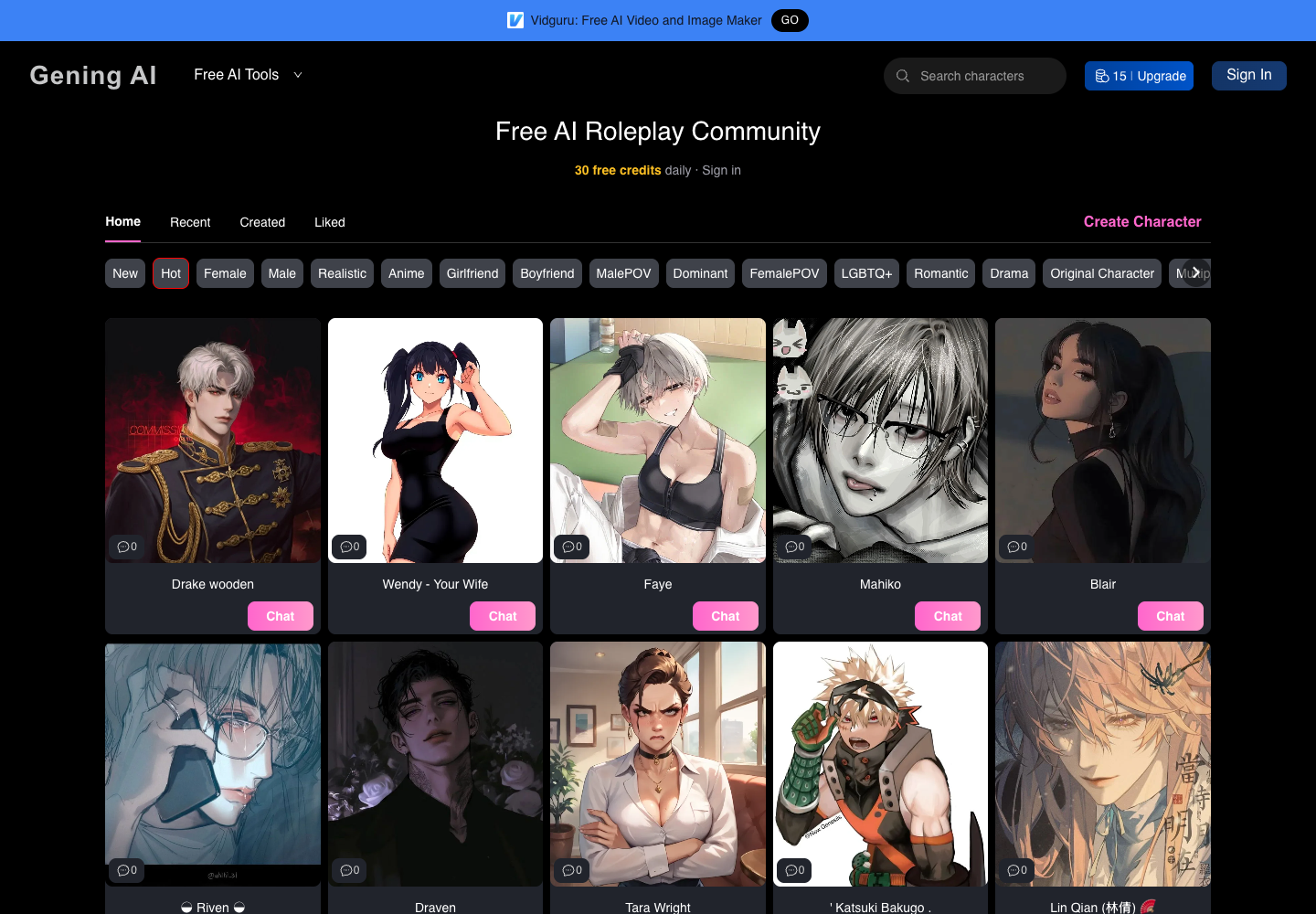
Gening AI is a character chat and roleplay website for adults. Browse anime, realistic, fantasy, and original characters, or create your own character with a personality, scenario, and opening message. Conversations consume credits, and available account features include recent chats, created characters, and favorites.

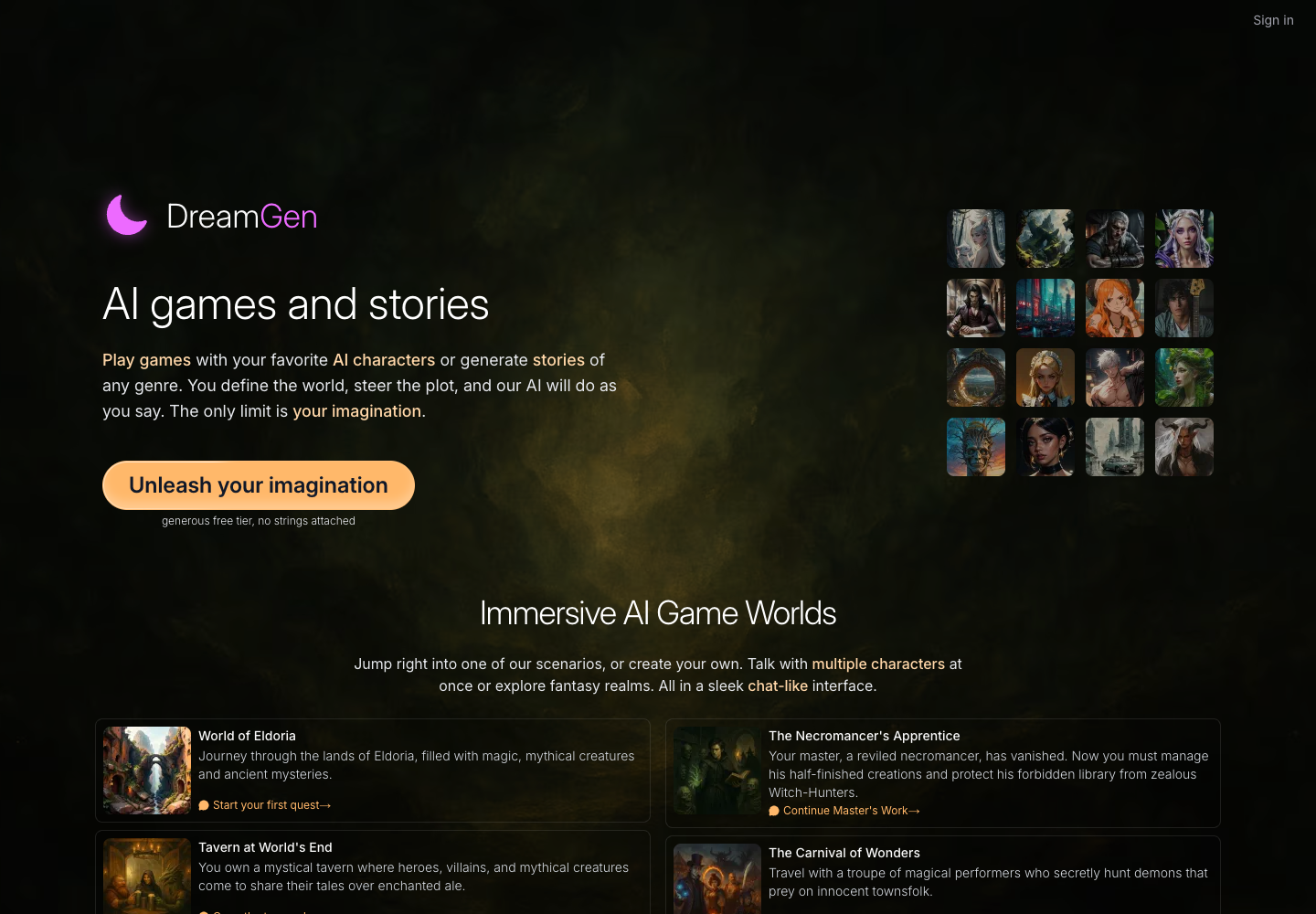
DreamGen is an AI roleplay and story writing platform built around user-controlled plots and multi-character stories. Users can create custom scenarios, choose from available AI models, and use the platform on either free or paid plans.

Harpy is an AI character chat and roleplay platform supporting both individual conversations and group chats. Users can create and customize bots, define personas for interactions, and choose between free models and premium models.